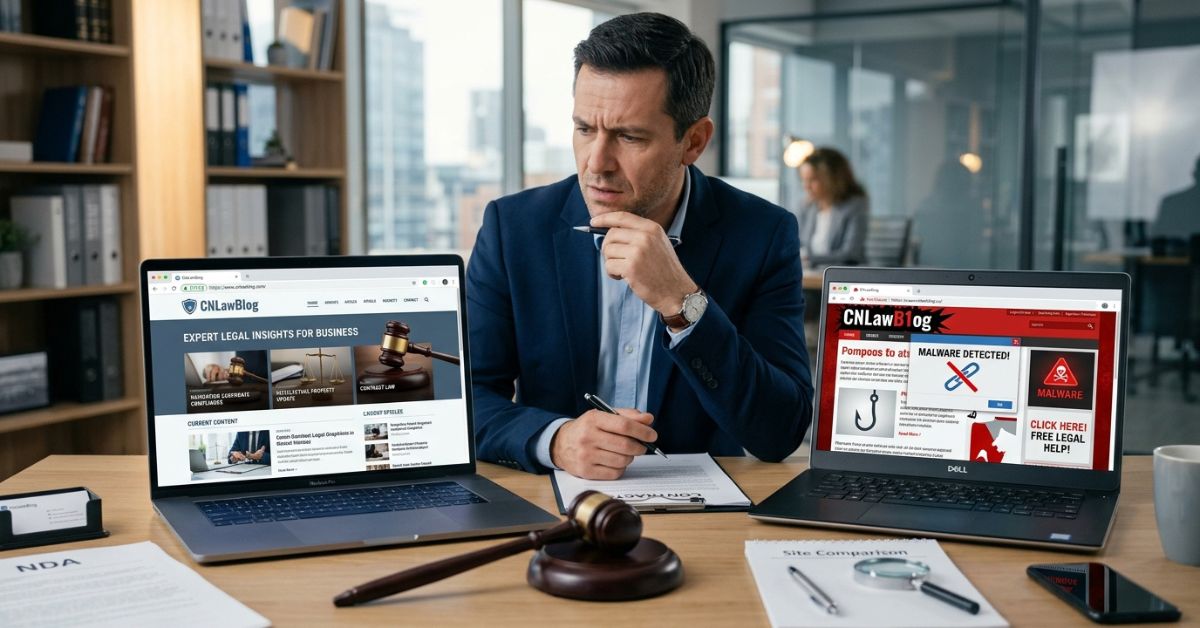
Understanding legal rules can be hard, especially when dealing with other countries and business trade laws. CNLawBlog is a website made to explain legal topics in simple words. This guide explains what the site offers, how trustworthy its content is, and how you can use it safely.
Key Points
- Main Purpose: Gives free online guides that explain business laws, safety rules, and trade guidelines.
- Best Audience: Small business owners, students, and researchers who need basic legal information.
- Main Rule: Works well for basic learning, but you must talk to a real lawyer for actual legal fights.
Quick Answer
CNLawBlog is an learning website that covers business rules, safety standards, and trade laws. It helps readers understand hard rules without using tricky legal words. The site is helpful for anyone who needs an easy starting point for legal topics. However, it only gives general information and should never replace official help from a real lawyer.
Quick Summary
- Main Focus: Simple guides on business, safety rules, and trade guidelines.
- Main Benefit: Explains hard rules in easy ways.
- Main Rule: Gives learning materials instead of official legal help.
At a Glance
The table below gives a quick overview of what CNLawBlog offers and how it works.
| Feature | Details |
| Type of Site | Online legal information blog |
| Main Focus | Legal learning and basic safety rules |
| Best For | Readers who need basic legal guidance |
| Free or Paid | Free to read online |
| Official Site | Check the web address to avoid fake websites |
| Trust Level | Medium to High for basic research |
| Legal Advice? | No |
What Is CNLawBlog?
CNLawBlog is an online blog that explains company rules, foreign trade laws, and government systems. The main goal of the site is to make legal ideas easy for everyday readers to understand.
Many traditional legal sites use formal words that are hard to read. CNLawBlog breaks these long documents into easy articles. People usually search for CNLawBlog when they see a new rule, want to check basic trade rules, or need simple facts before hiring a lawyer.
Simple Example
Imagine a small business owner named Sarah who wants to buy goods from factories in another country. Before signing a deal, Sarah needs to know the basics of factory contracts and safety rules.
Instead of paying expensive lawyer fees just to learn basic words, Sarah reads CNLawBlog. She learns the common terms and warning signs. When she finally meets her lawyer, she knows what questions to ask. This saves her both time and money.
What Topics Does CNLawBlog Cover?
CNLawBlog sorts its articles into main sections to help readers find information quickly.
Business & Corporate Law
This section focuses on how companies work. Articles explain how to start a business, how company setups work, and what rules owners must follow. It helps readers understand basic business setups.
Compliance & Regulations
Compliance means following government rules and safety standards. This section explains safety rules, environmental laws, and worker laws. It helps companies avoid fines and government penalties.
Intellectual Property
Intellectual property covers brand names, inventions, written works, and business secrets. Articles explain how to register brand names with global groups like the World Intellectual Property Organization (WIPO) or local office sites.
Contracts & Manufacturing
This area covers buying deals, secrecy agreements, and factory rules. It offers tips on writing clear terms, setting quality rules, and handling payment arguments.
Other Legal Topics
The blog also covers border customs rules, basic everyday legal disputes, and international business deals. For example, articles may explain tax rules or basic argument-settling rules set by the World Trade Organization (WTO).
| Topic | Covered? | Typical Content |
| Business & Corporate Law | Yes | Starting a business, partner roles, company rules |
| Compliance & Regulations | Yes | Safety rules, worker laws, local government rules |
| Intellectual Property | Yes | Brand names, invention steps, work protection |
| Contracts & Manufacturing | Yes | Factory deals, supplier checks, trade agreements |
| Other Legal Topics | Yes | Customs taxes, WTO trade rules, basic arguments |
| Court Representation | No | The blog does not help clients in court |

Who Should Use CNLawBlog?
CNLawBlog serves many different readers, but it works best for specific needs.
- Business Owners: Great for learning basic rules before selling in new places.
- Shipping & Trade Workers: Useful for checking general trade rules and shipping steps.
- Students & Researchers: Helpful for finding easy summaries and facts for school work.
- Law Professionals: Good for quick reviews of general steps outside their main job area.
- General Readers: Great for anyone who wants to understand legal news without getting confused by hard words.
⚠️ Who Should NOT Rely On It Alone
Anyone facing real court cases, police matters, or broken contracts. Educational blogs cannot look at specific proof or write official court papers. If you face a real legal problem, talk to a real lawyer right away.
Is CNLawBlog Trustworthy?
CNLawBlog is a helpful starting point, but every legal blog has basic limits. The site follows simple editing rules to keep its posts helpful and correct. Editors check posts, verify sources, and try to keep facts new.
However, laws change often. Government groups change rules, court decisions make new standards, and old rules stop working. For example, international groups like the World Trade Organization (WTO) or local groups like the Chinese Ministry of Commerce change trade rules often.
Because rules change fast, you should use the site for basic learning. Always check real source sites like official government law pages or court databases before making business choices.
How We Tested CNLawBlog
Our team looked at four main areas to check the site:
- Editing Quality: We checked if articles link to real law codes and rules.
- Source Selection: We checked if links go to real government pages or trade groups.
- How Often It Updates: We looked for updated dates on fast-changing topics.
- Honesty: We checked for clear writer information and simple disclosures.
How to Verify You’re Using the Official CNLawBlog
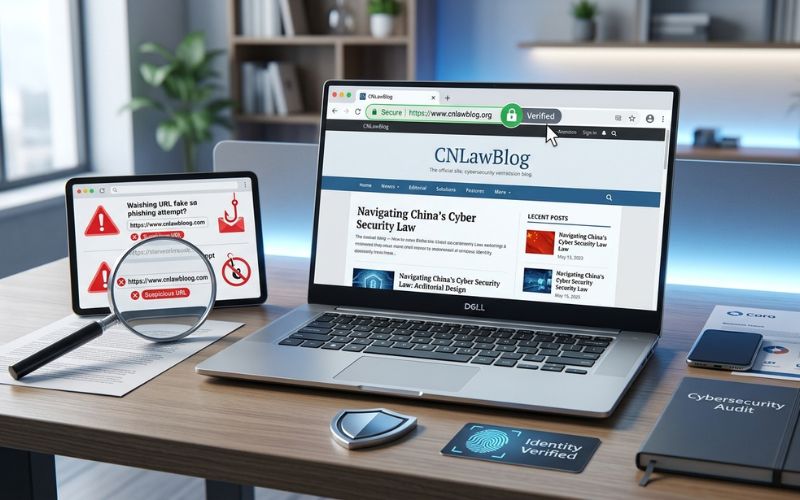
Scammers often make fake websites that copy real blogs. These fake sites can steal your information or give bad facts. Because of this, you must check that you are on the real CNLawBlog.
Start by looking closely at the web address in your internet browser. Make sure there are no extra letters or wrong spellings. Look for the small lock symbol next to the web address. This lock shows that the site is safe to use.
Next, look for real writer pages, a working contact page, and an About page. You can also search owner tools like WHOIS or use the Internet Archive to check how long the site has been online. Real sites share details about their team and list their original sources. Fake copycat sites usually hide writer details and steal articles.
Common Signs of Fake Copycat Sites
- Strange Web Addresses: Extra letters, wrong spellings, or weird endings.
- Missing Contact Details: No email addresses, physical address, or message forms.
- Broken Links: Links that send you to unrelated shopping or gambling pages.
- Stolen Posts: Articles copied straight from other websites without giving credit.
Complete Verification Checklist
| Check | What to Look For | Why It Matters |
| Web Address | Correct spelling without weird symbols | Stops you from visiting fake sites |
| HTTPS Security | Lock symbol next to the address | Protects your visit and keeps your data safe |
| Writer Bios | Listed experience and writer details | Shows real experts wrote the content |
| Source Links | Direct links to real government sites | Proves that facts match real laws |
| Date Published | Recent year or “Last Updated” note | Shows if the post covers current rules |
| Site History | Active history on Internet Archive or WHOIS | Proves the site is real and has been online |
CNLawBlog vs. China Law Blog (Harris Sliwoski)
Many readers mix up CNLawBlog with China Law Blog. While their names sound almost the same, they are two completely different websites with different goals.
China Law Blog is run by Harris Sliwoski, an international law firm. Its posts give direct thoughts from real working lawyers. CNLawBlog, on the other hand, is a general learning site built for everyday readers, students, and businesses.
| Feature | CNLawBlog | China Law Blog (Harris Sliwoski) |
| Type of Site | Educational learning blog | Law firm site |
| Main Owner | Independent digital publisher | Harris Sliwoski law firm |
| Main Audience | Students, small businesses, general public | Business bosses, foreign investors, lawyers |
| Writing Style | Easy explanations, general guides | Legal analysis, law firm updates, court case breakdowns |
| Direct Legal Services | No | Yes (through their law firm) |
CNLawBlog vs. Other Legal Information Sources
Comparing different legal sites helps you pick the right tool for your research.
| Source | Best For | Strengths | Weaknesses |
| CNLawBlog | Basic learning and easy summaries | Simple language, easy to read, free | Cannot help you in real court cases |
| Government Sites | Finding official laws and forms | Most correct, official legal power | Hard to read, full of hard legal words |
| Court Databases | Tracking real court decisions | Complete court records and rulings | Hard for non-lawyers to use |
| Law Firm Blogs | Information on specific court outcomes | Written by real working lawyers | Can try to sell services and use hard words |
| Legal News Sites | Reading about fast law changes | Fast news updates | Often skips practical advice |
How to Use CNLawBlog Effectively
To get the best results from CNLawBlog, follow an easy research process. Use the blog to learn basic facts, then double-check your facts on real government sites.
+-------------------+      +-------------------+      +-------------------+      +-------------------+
|  1. Read Article  | ---> |  2. Check Source  | ---> |  3. Verify Law    | ---> |  4. Talk to Lawyer|
|  (Learn Basics)   |      |  (Find Links)     |      |  (Gov Sites)      |      |  (Get Advice)     |
+-------------------+      +-------------------+      +-------------------+      +-------------------+
4-Step Research Process
- Read the Summary: Read through the article to learn basic words and ideas.
- Check the Sources: Look for links pointing to real laws or trade rules.
- Verify with Official Sites: Double-check the facts on government law databases.
- Talk to a Lawyer: Share your notes with a real lawyer for personal help.
Simple Research Examples
- Student Example (Mark): Mark reads a guide about invention rules on CNLawBlog. He clicks the listed link to the World Intellectual Property Organization (WIPO) site to get official facts for his school report.
- Researcher Example (Alex): Alex reads a rules guide to learn basic trade agreement steps. He double-checks the points with official records from the Supreme People’s Court database before writing his report.
Real-World Example: Checking Trade Rules
Imagine a business seller who wants to ship electronics to another country. He reads an article on CNLawBlog about new safety rules.
Instead of trusting only the blog post, he copies the listed law number from the article. He pastes that number into a real government site like the Chinese Ministry of Commerce or local customs site.
He confirms that the rule is active and saves the official safety form. Finally, he brings that form to his trade lawyer. This step saves him time and money on lawyer fees.
When You Should Consult a Lawyer Instead
Learning blogs are good for basic study, but big legal problems need a real lawyer. You must hire a qualified lawyer whenever you deal with court fights, official government checks, or big contract deals.
| Situation | Blog Enough? | Lawyer Needed? |
| Learning basic trade terms | Yes | No |
| Filling out papers for a real lawsuit | No | Yes |
| Writing a big supply contract | No | Yes |
| Researching general safety rules | Yes | No |
| Handling a worker dispute or firing | No | Yes |
| Registering a valuable brand idea | No | Yes |
Common Mistakes Readers Make
Avoid these common mistakes when using online legal sites:
- Thinking Blogs Replace Lawyers: Reading articles cannot replace advice made just for your problem.
- Ignoring Dates: Using old guides can lead to costly mistakes if rules have changed recently.
- Visiting Fake Copycat Sites: Reading fake sites can give you wrong facts or bad links.
- Not Checking Location: Thinking laws in one country work everywhere without checking local rules.
- Using Only One Source: Trusting a single blog post without checking facts on real government sites.
Pros and Limitations of CNLawBlog
| Good Points | Limitations |
| Free to Use: Easy to read without paying fees. | No Official Help: Reading creates no official lawyer-client relationship. |
| Easy to Read: Uses tables and lists for quick reading. | Location Limits: Articles may not cover your local city laws. |
| Good Starting Point: Helps readers learn basic words. | Slow Updates: Posts may take time to update after new laws pass. |
Final Verdict
Summary Verdict
CNLawBlog is a helpful learning tool for everyday readers, students, and business owners who need easy summaries of hard legal rules. Its main strength is making hard rules simple and clear.
Use CNLawBlog to build basic knowledge and find starting facts. Afterwards, double-check main details with official government sites and talk to a real lawyer for actual legal work.
Frequently Asked Questions
What is CNLawBlog?
CNLawBlog is an educational website that explains business rules, safety guidelines, and legal ideas in simple words.
Is CNLawBlog free?
Yes. You can read its articles online for free without paying subscription fees.
Is CNLawBlog trustworthy?
It is trustworthy for basic learning and background facts. However, you should double-check main facts with official government sources.
Is CNLawBlog legal advice?
No. The site gives general learning material only and cannot replace help from a real lawyer.
Can non-lawyers use CNLawBlog?
Yes. The site uses simple language to help everyday people understand hard legal topics.
How do I verify the official CNLawBlog website?
Check the web address carefully, look for the lock symbol, and check that writer details and contact info are on the page.
How often is CNLawBlog updated?
Update times change by topic. Always check the written or updated date at the top of each article.
What is the difference between CNLawBlog and China Law Blog?
CNLawBlog is an independent learning site for everyday readers. China Law Blog is a law firm site run by the Harris Sliwoski law team.
Can businesses rely on CNLawBlog for compliance?
Businesses can use it to learn the basics, but they should work with a real lawyer to make official safety plans.
Should I still consult a lawyer after reading CNLawBlog?
Yes. You should always talk to a real lawyer before signing deals or making big business choices.
Handpicked For You:
AnonVault Explained: What It Is, How It Works, Security, Safety & Alternatives (2026)
CrypticStreet .com Explained: What It Is, What It Covers & Is It Safe? (2026 Guide)
Disclaimer:
This article is for informational and educational purposes only. It does not provide legal advice or replace help from a qualified lawyer. Some images on this page may be AI-generated for illustration only. All trademarks, logos, and copyrights belong to their respective owners. Always verify important legal information with official sources.