
Zvodeps is a newly discussed term with no single fixed meaning yet. It is often described as a mix of workflow, creativity, and adaptability. This article explains what zvodeps means, how it works, and why people are paying attention to it.
What Is Zvodeps?
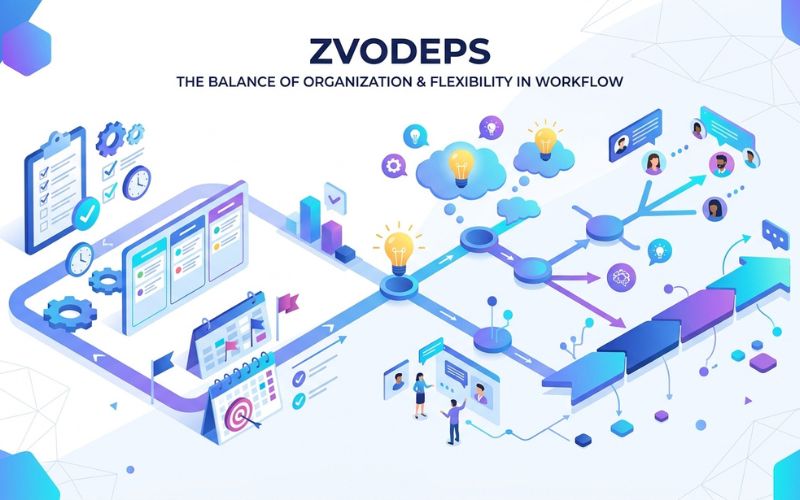
Zvodeps is often described as a flexible way to manage work, ideas, and change. It combines structure with creativity, so people can stay organized without feeling too rigid. For example, a team could use this idea to track a project while still adjusting the plan when new feedback comes in.
It is still a broad term, so different people may explain it in different ways. That is why the same word can sound like a tool in one article and a mindset in another. The important part is the idea of staying flexible while still moving forward. Some see it as a framework for innovation, while others view it as a way to bridge the gap between abstract imagination and practical daily tasks. Because it lacks a dictionary definition, its meaning evolves through the collective experiments of creative professionals, business teams, and digital enthusiasts.
Quick definition
Zvodeps is a flexible workflow idea that helps people stay organized while adapting to change.
Is Zvodeps a Tool, Philosophy, or Both?
People use zvodeps in two main ways. Some see it as a way of thinking, while others describe it as a system for organizing work. That mix of meanings is one reason the keyword is getting attention.
Two possible meanings
- Productivity philosophy: A way of thinking that keeps work flexible instead of rigid. It encourages a mindset where change is expected rather than feared.
- Workflow framework: A practical system that helps guide a project from start to finish. It provides a loose structure that keeps teams on track while leaving room for spontaneous innovation.
What the SERP suggests
Search results currently show both meanings, so a good article should explain both clearly. These traits show why zvodeps is often described as a mix of structure and freedom.
Core Characteristics
The main traits people connect with zvodeps are easy to understand. It is usually described as flexible, creative, and useful for teamwork.
- Adaptive structure: You can change your goals or methods while the work is still moving. Unlike rigid corporate tools, zvodeps allows for course corrections without needing a complete process overhaul.
- Creative flexibility: The idea leaves room for new ideas instead of forcing one fixed path. It removes the artificial constraints that often block original thinking in traditional project management.
- Collaboration focus: It helps teams share work, stay aligned, and move faster together. By creating a shared space, team members can coordinate their output even if they are working from different locations.
How Zvodeps Works
The idea behind zvodeps is simple: plan a little, try it, and then adjust as you go. This makes it easier to avoid getting stuck in a plan that feels too rigid. This makes it useful in projects where plans need to change without stopping progress. Instead of waiting for a perfect setup, people can begin with a simple version and improve it over time. That approach works well for both solo work and team projects.
For example, a designer might start a project with a basic blueprint. As they move through the creative process, they add more details based on the feedback they receive, ensuring the final output is better than the original plan.
Workflow steps
- Plan: Set the main goal with an initial blueprint.
- Try: Do a small part of the work first to see how it feels.
- Adjust: Improve the plan after checking the result, allowing the work to grow organically.
This step-by-step approach helps work improve without losing momentum. A simple cycle like this helps people keep improving their work without making the process feel heavy or stuck.
Uses and Applications
Different kinds of people can use zvodeps when they need both structure and flexibility.
- Creative teams: Designers and writers can use it to shape ideas while still leaving room for change. It helps them break through mental barriers by not forcing them into a “one-size-fits-all” workflow.
- Product and software teams: These teams can use it to plan work in a flexible way and keep delivery moving. It supports iterative development similar to agile methods, which is perfect for fast-paced tech environments.
- Individual productivity: Solo users can use it to manage learning, personal goals, or home projects. By using it for personal journaling or skill building, individuals can maintain direction without feeling pressured by strict timelines.
It can also help when a project has too many moving parts. Teams can use it to stay aligned without making the process too strict, while solo users can keep their goals clear and manageable as their priorities evolve.
Why People Are Talking About It
People are talking about zvodeps because it is new, interesting, and still not fully defined. New words often get attention when people want to know what they mean and whether they are useful. Because the term is still new, writers have a chance to create the clearest explanation online. It signals a broader shift in digital culture toward systems that value efficiency alongside creative expression.
What Most People Miss
Many articles explain zvodeps in a vague way. This section adds the practical details readers usually want. A lot of content only repeats the same definition. A stronger article should also explain who it helps, what it is not, and why readers should care. That makes the page more useful and more trustworthy. Vague definitions can frustrate users, so providing concrete examples of how to apply the framework is essential for real-world adoption.
Is it a real product?
Based on current search results, zvodeps appears to be used more as a concept than a clearly established software product.
Who should care?
This topic is most useful for people who want a flexible way to think about work, ideas, or project planning.
Risks and limitations
Because the term is still changing, its meaning may shift over time. It should not be treated as a fixed industry standard, as it remains a fluid idea.
The Final Verdict on Zvodeps
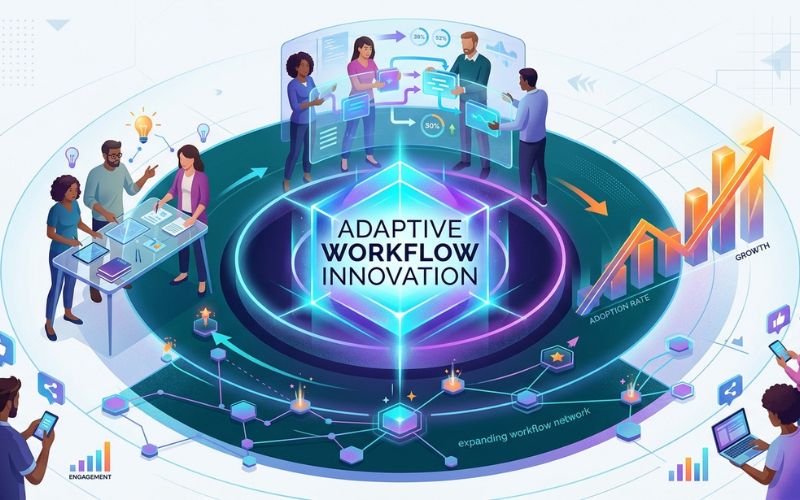
Zvodeps is best understood as a flexible idea that blends creativity and organization. The clearest way to explain it is to focus on adaptability, simple planning, and step-by-step improvement. If you want to use this concept, start with one small project and keep the process easy. By moving away from rigid constraints and toward a more organic way of working, you can improve both your creative output and your daily efficiency.
FAQ
After that, the most common questions are easy to answer.
What is zvodeps?
Zvodeps is a new term often used for a flexible way to think about work, creativity, and planning.
Is zvodeps a software tool?
Not clearly. It is better understood as a concept or workflow idea right now.
How is zvodeps different from other workflow systems?
It gives more room for change, creativity, and flexible planning compared to rigid, traditional systems.
Who can use zvodeps?
Creators, freelancers, teams, and anyone who wants a more flexible way to work.
Is zvodeps a trend or a real framework?
It currently sits in the middle—it is an emerging framework that is becoming a trend as more teams adopt its flexible principles.
Can zvodeps help with project management?
Yes, it helps by reducing the overhead of rigid documentation and allowing teams to focus on actionable steps.
Is zvodeps useful for solo creators?
Absolutely, it provides a light structure that supports goal-tracking without killing the creative “spark” that solo work requires.
Explore More Options:
News Gfxdigitational: What It Means, What It Covers, and Why People Are Talking About It
G15tools Com Gadget: What It Is, How It Works, and Is It Safe?
Disclaimer
This article is for general information and learning only. It is not professional advice. Please test these ideas to see what works best for your specific needs. Some images in this guide may be AI-generated for illustrative purposes. All trademarks and registered copyrights belong to their respective owners. We do not claim ownership of external concepts mentioned here.